Built a production-grade multimodal RAG clinical microservices pipeline integrating Athena EHR,
Snowflake, Azure FHIR, Redis caching, and Vertex AI endpoints. Developed a React + FastAPI
dashboard for clinical summarization, care-gap detection, and vitals trending, deployed through
CI/CD to support CenterWell chart-prep workflows.
Optimized a dual-pipeline VLM inference system that parallelizes Gemini API calls for real-time
garment classification, reaching sub-4.6 second latency and 97.4% accuracy across 30,000+ brands.
Built a Flask backend, React/TypeScript dashboard, and high-value brand lookup with weighted
scoring logic, deployed on AWS EC2 for a live NYC pilot.
Developed a 1D Dilated CNN in PyTorch Lightning for alternative splicing prediction, reducing
model parameters by 45% while improving prediction accuracy by 12%. Evaluated sequence encoders
by integrating the Orthrus RNA BiMamba state-space encoder with attention pooling, extending
context range and improving PSI prediction for genomic sequence modeling.
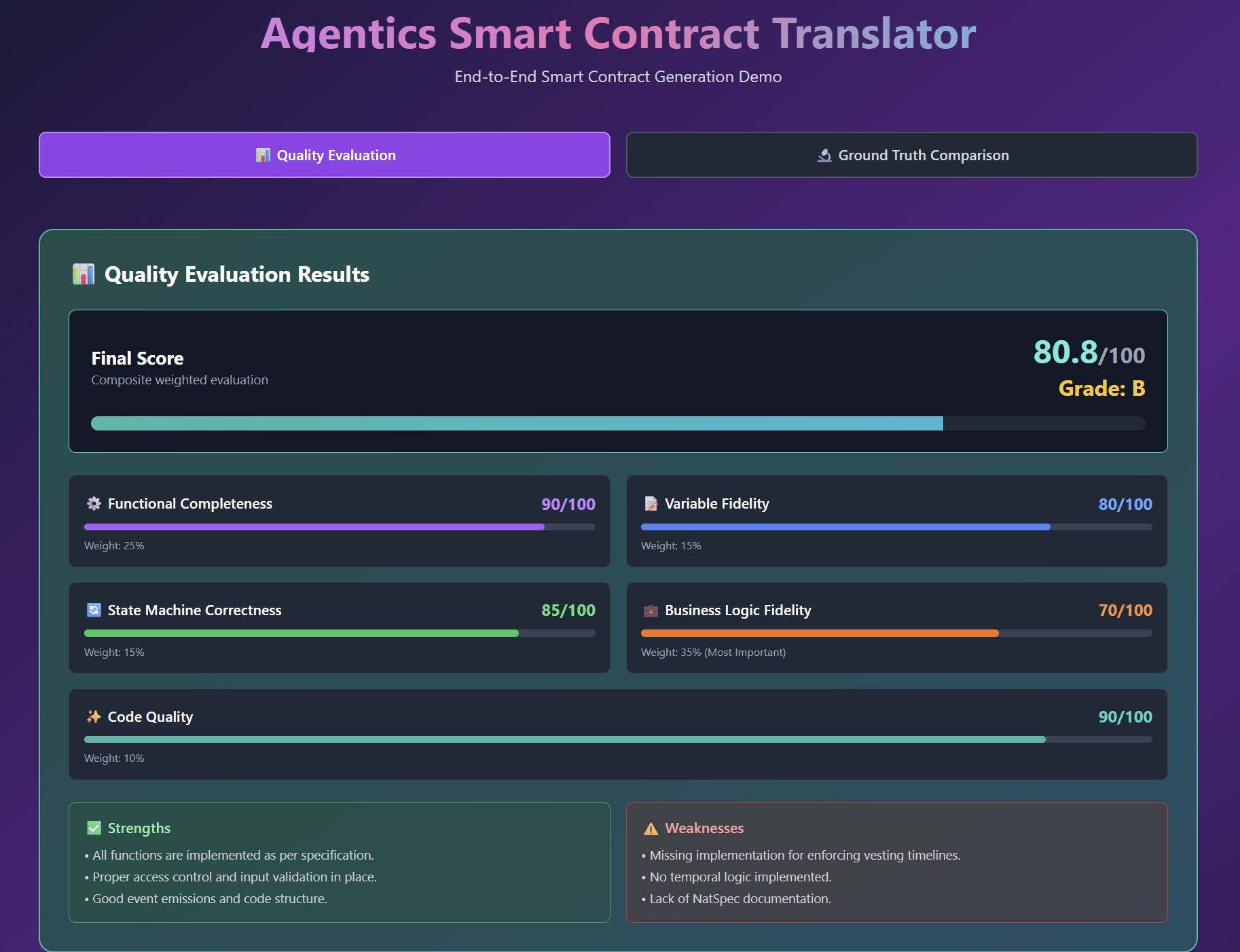
Created a 7-phase agentic smart contract generation pipeline that converts natural language
specifications into Solidity using CrewAI orchestration, Pydantic schema validation, and security
refinement loops. Evaluated across 9,000 contracts with 86.54% compilation success. Built SmartEval,
a React + Flask benchmark for LLM-generated smart contract quality, with research submitted to
KDD 2026 and NeurIPS 2026.
AI Exec Labs Automation Workflows
Designed 20+ automated Langflow pipelines for Columbia AI enterprise workshops, helping business
leaders ship automation workflows without engineering experience. Built an AWS S3-backed Smart
Information Retrieval System using ChromaDB vector storage, agentic ML pipelines, and email/calendar
automation tools for document and structured data analytics.
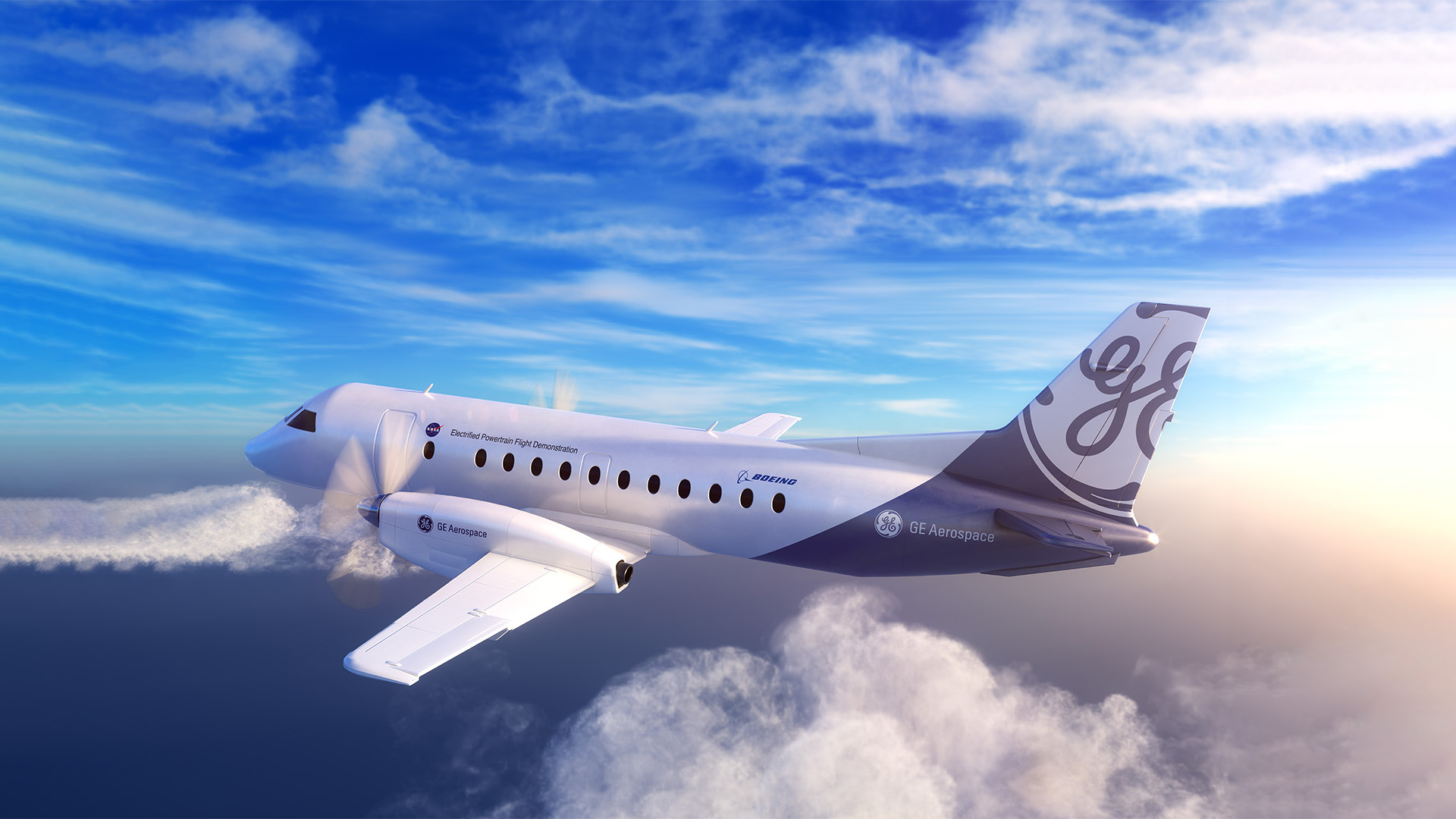
Engine Test Anomaly Detection (GE Aerospace)
Engineered a pruning-based optimal partitioning algorithm in Python for multivariate engine-test
time-series anomaly detection, achieving 92% accuracy and an estimated $200,000 in fault
identification savings. Built scikit-learn and Dask pipelines for high-dimensional sensor data
processing, reducing manual diagnostic overhead for aerospace engineers.
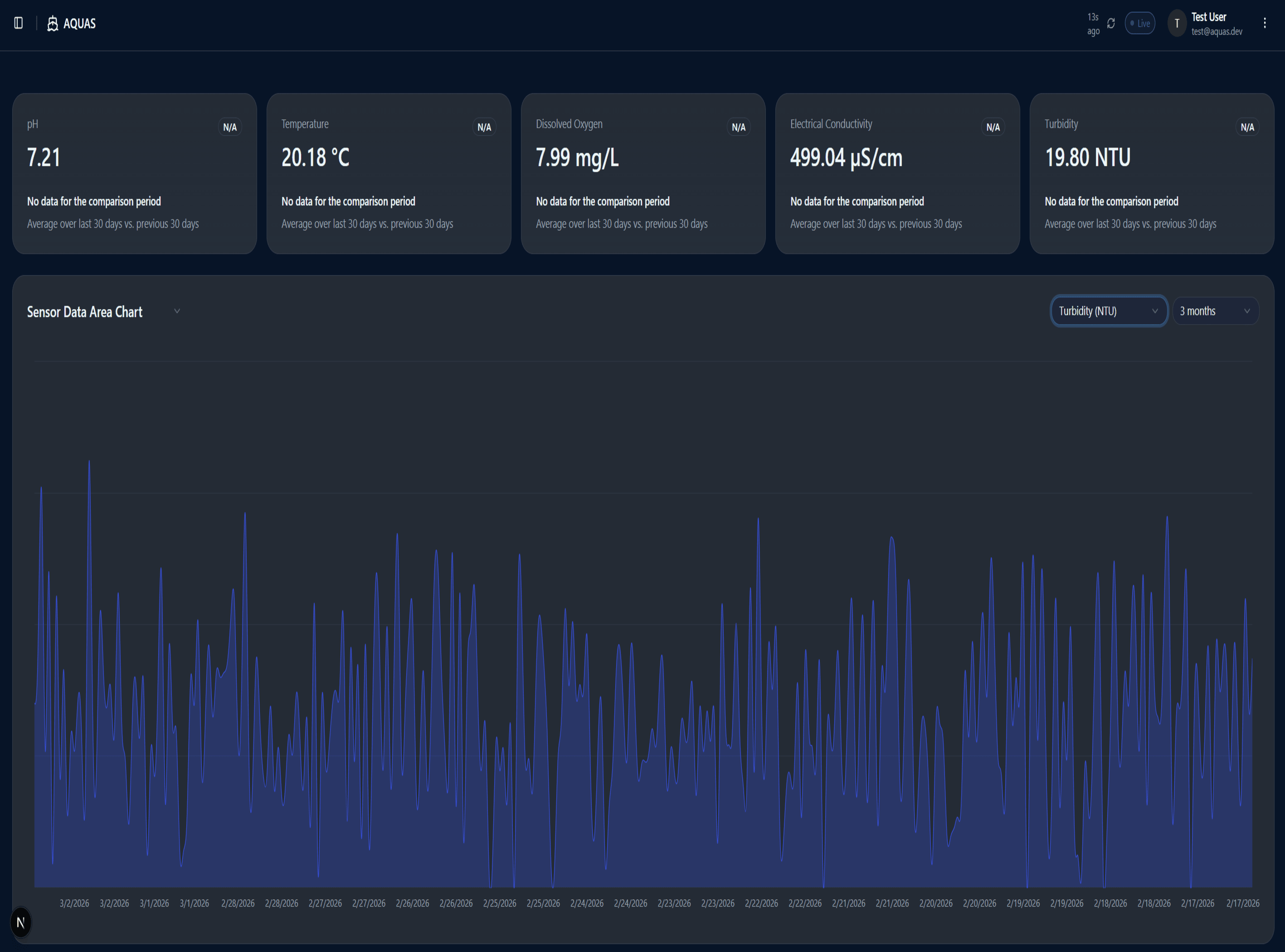
AQUAS is a robotics team at Columbia University focused on creating an autonomous robot
to detect and treat algal blooms in water bodies. Currently developing a full-stack data
dashboard for displaying robot telemetry, visualizations, and key statistics (data sent
from robot sensors). Dashboard consists of an authentication system, PostgreSQL queries,
FastAPI endpoints, useful visualizations, and clean design.
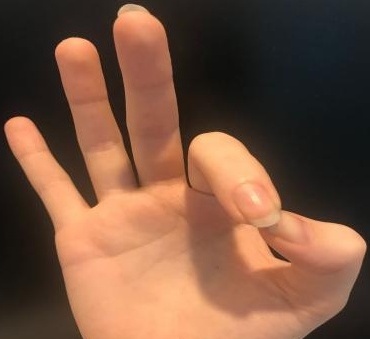
Engineered a real-time ASL gesture-to-text system using MobileNetV2, MediaPipe Hands, OpenCV,
and Tkinter. Validated the 26-class model with 400+ ASL-reliant users, reaching 95% accuracy
and sub-200ms latency. Added sentence construction, letter editing, and pyttsx3 speech output
so users can convert hand gestures into written and spoken English.
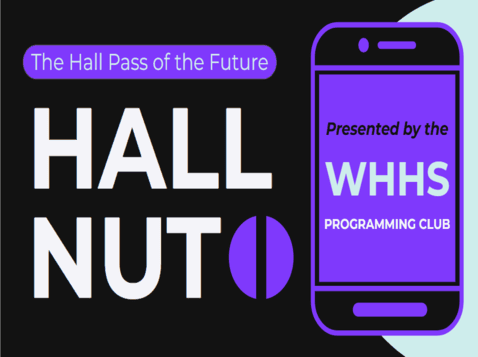
Built and deployed a secure, role-based virtual hall pass system for Walnut Hills High
School using Flask, PostgreSQL, and Firebase authentication to manage admin and student
logins. Implemented real-time monitoring and analytics dashboards to track hallway activity
and pass usage. The project placed 1st at the University of Cincinnati IT Expo.
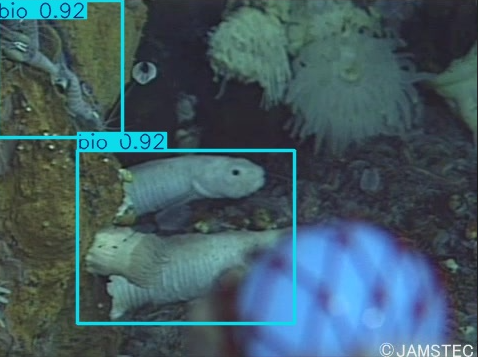
Engineered a full computer vision pipeline benchmarking YOLOv8, Faster R-CNN, and custom CNN
architectures for underwater trash detection, achieving 87.2% accuracy with YUV color augmentation.
Built a custom preprocessing algorithm using color compensation, Laplace transforms, and CLAHE
adaptive histogram equalization, improving low-light detection performance by 15%.
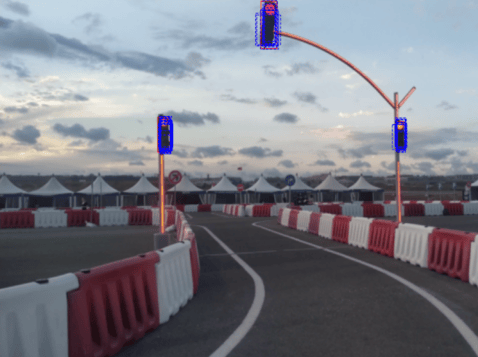
Acquired data from AV Traffic Sign Detection dataset on Kaggle. Pre-processed data by
scaling images to adequate dimensions and mounting them to Google Colab via Google Drive.
Used Faster-RCNN to train, validate, and test model. Experimented with learning rate,
epochs, batch size, kernels, and strides to acquire best performance. Goal of project
was to successfully classify and detect 18 distinct traffic signs on the road.
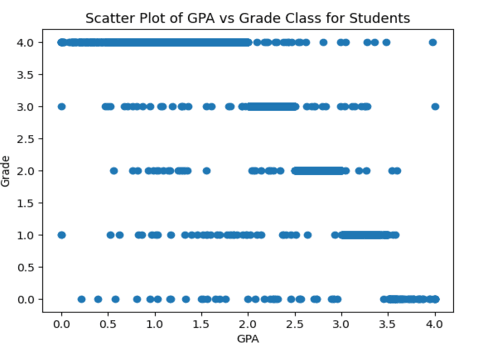
Created a neural network that used Batch Normalization, ReLU activation, and Softmax to
predict the "rating" of a student given the student's grades, extracurriculars, volunteer
activities, and parental history. One-hot encoded features so model could train on data.
Grade "0" represented best student rating and grade "4" represented the worst student
rating. Neural network model achieved 98% accuracy on test data after hyperparameter tuning.
FTC Sample Detection
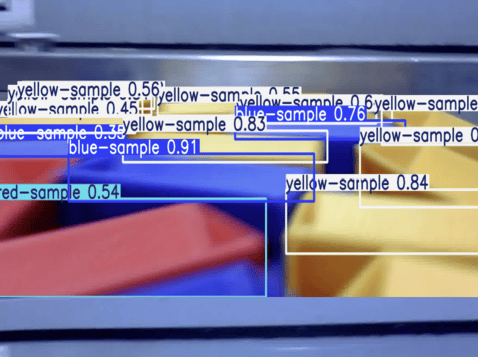
Designed and optimized a YOLOv8 object detection model to identify and classify FTC Into
the Deep game elements based on color, shape, and orientation, achieving 88% detection
accuracy. Integrated model outputs into the robot's autonomous control pipeline to enhance
navigation, game element handling, and decision-making efficiency during competition.
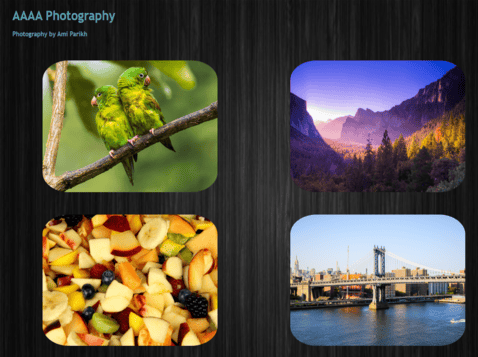
Developed website for Ami Parikh's photography (AAAA Photography). Organized albums into
6 categories: wildlife, food, portraits, landscapes, urban, and landmarks. Implemented
linear animations using keyframes and maintained flexbox and grid-like structure throughout
website. Media queries were developed for the website to be observable on any device.